

Pressure gauge
Established in October 1988, Hangzhou Guanshan Instrument Co., Ltd, formerly known as Hangzhou Guanshan Instrument Factory, has carved a niche as a prominent player in the global industrial automation meter and instrument sector. Strategically located in Hangzhou, near the picturesque Fuchun River, Guanshan benefits from excellent transport links, ensuring swift access to Hangzhou Xiaoshan International Airport and major railway stations. With a professional focus on exporting precision instruments, Guanshan's dedication to quality and innovation in pressure gauges, or manometers, has earned it a substantial market share both domestically and internationally, spanning Europe, America, the Middle East, and Southeast Asia.
Our core product offerings, including the PG-EC series of pressure meters, are testament to our commitment to excellence. These products are meticulously designed for controlling and regulating industrial processes, plant monitoring, and circuit switching across various gaseous and liquid media applications. Backed by over 30 years of industry expertise, Guanshan's three specialized subsidiaries work synergistically to enhance product development and customization. Whether it's the Anhui branch producing essential parts or the Shanghai facility innovating on SF6 gas monitoring for the power industry, Guanshan stands as a beacon of reliability and cutting-edge advancement in the field of pressure measurement solutions.
Our core product offerings, including the PG-EC series of pressure meters, are testament to our commitment to excellence. These products are meticulously designed for controlling and regulating industrial processes, plant monitoring, and circuit switching across various gaseous and liquid media applications. Backed by over 30 years of industry expertise, Guanshan's three specialized subsidiaries work synergistically to enhance product development and customization. Whether it's the Anhui branch producing essential parts or the Shanghai facility innovating on SF6 gas monitoring for the power industry, Guanshan stands as a beacon of reliability and cutting-edge advancement in the field of pressure measurement solutions.
Pressure Gauge
-
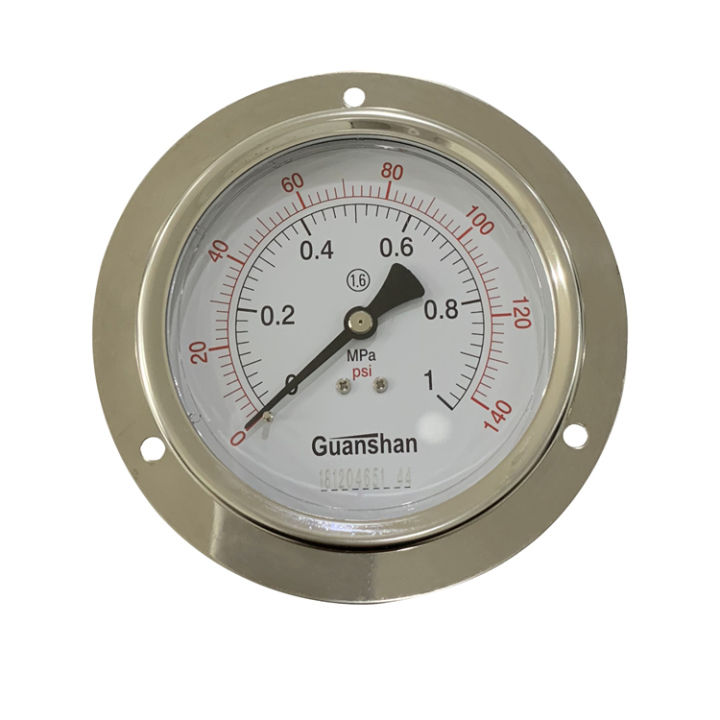
PG-SS-06 Stainless steel pressure gauge - Pressure Gauge
-
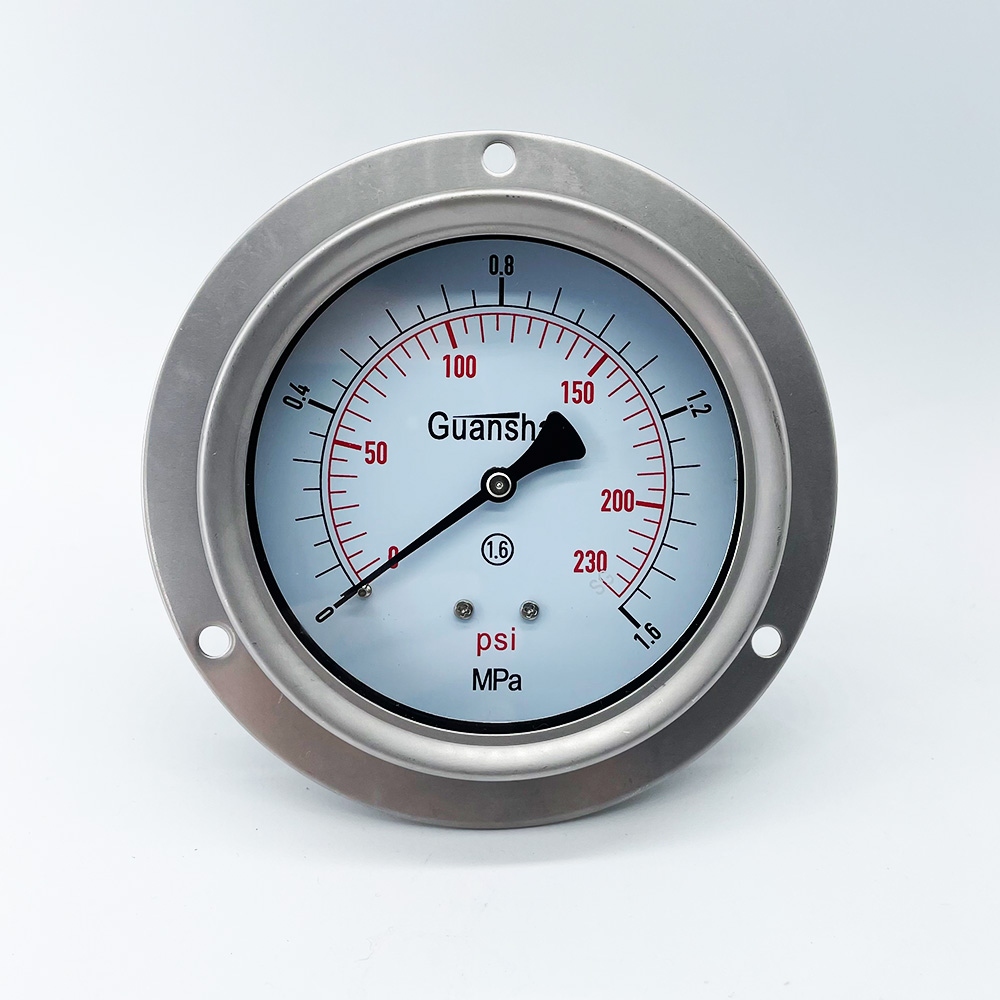
PG-SS--10 4" All SS manometer gauge - 100mm accurate pressure gauge
-

PG-SS--09 4" All SS manometer gauge - Stainless Steel Pressure Gauge
-
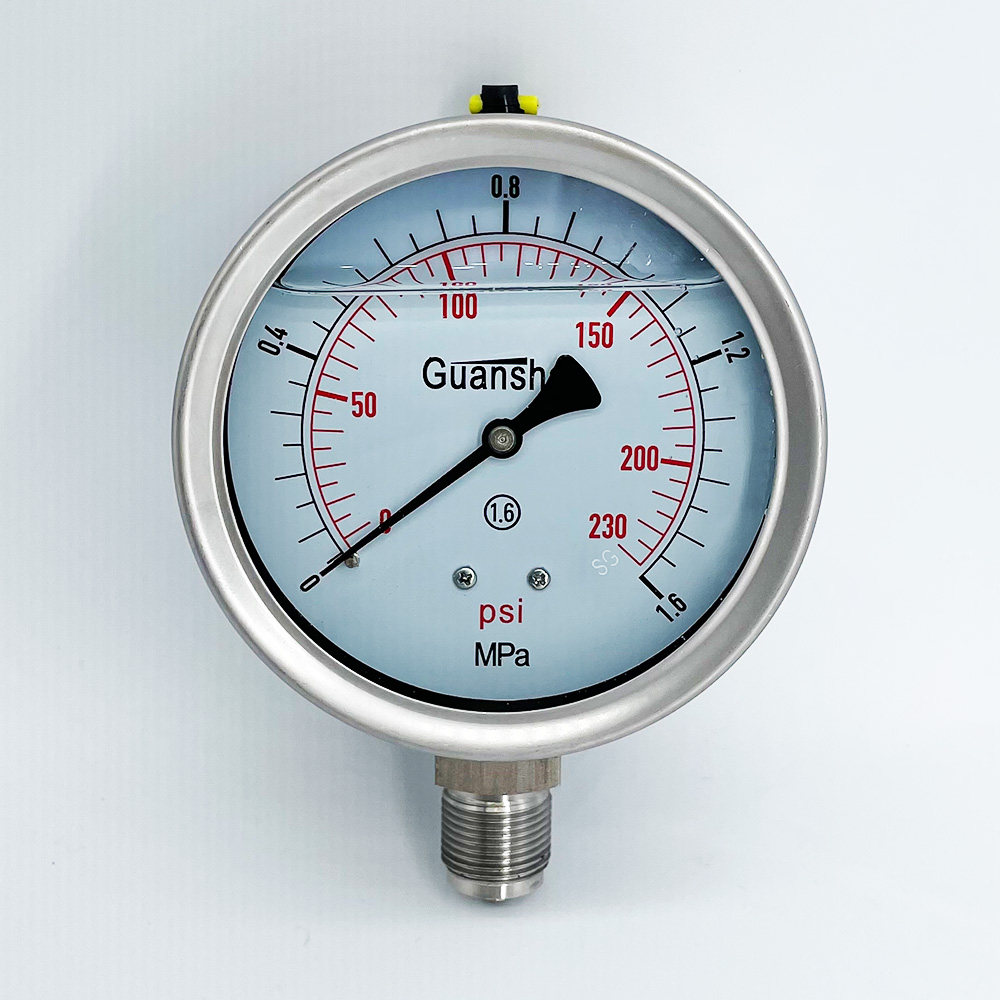
PG-SS--08 4" All SS manometer gauge - Stainless Steel Pressure Gauge
-
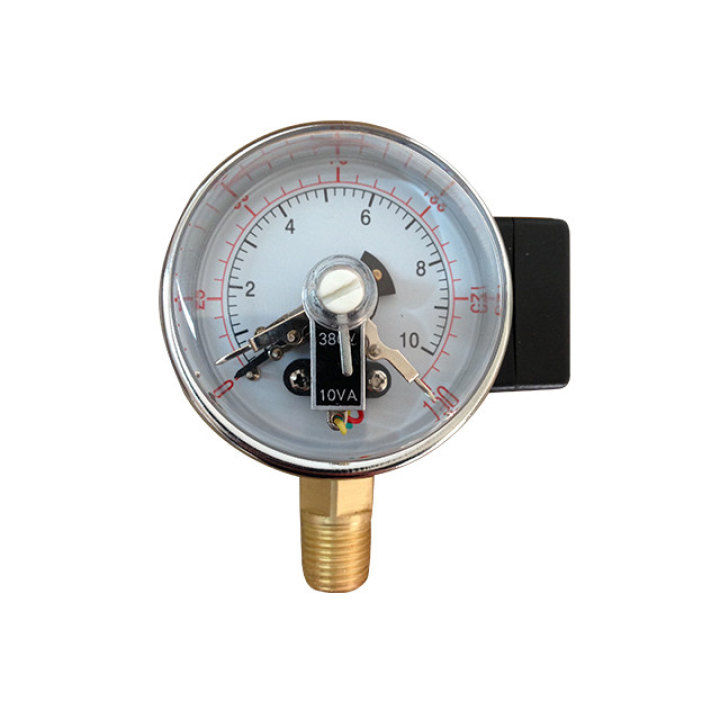
PG-EC-01 Magnetic Electrical Contact Pressure Gauge- Industrial Pressure Gauge
-

PG-SS-02 Stainless Steel Pressure Gauge - Pressure Gauge
-

PG-EC-02 Magnetic Electrical Contact Pressure Gauge - Industrial Pressure Gauge
-
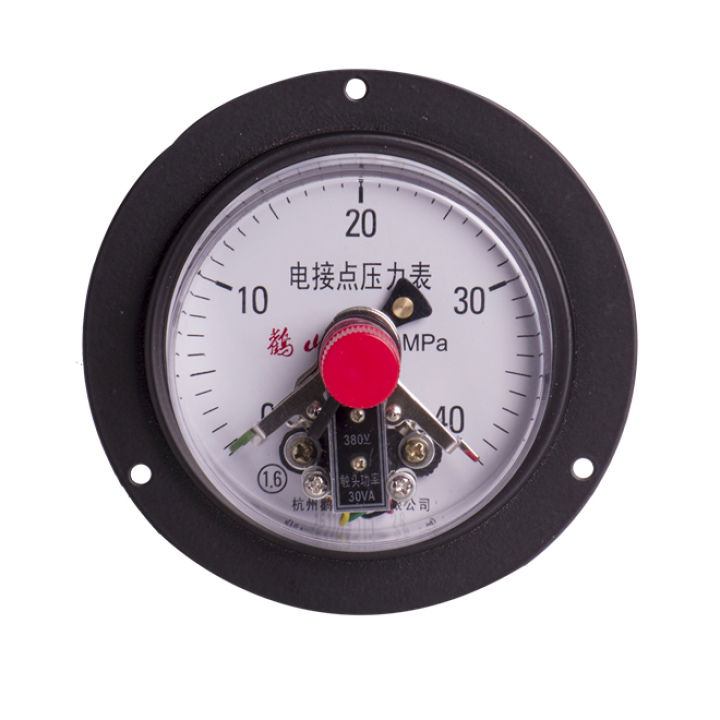
PG-EC-03 Magnetic Electrical Contact Pressure Gauge - Industrial Pressure Gauge
-
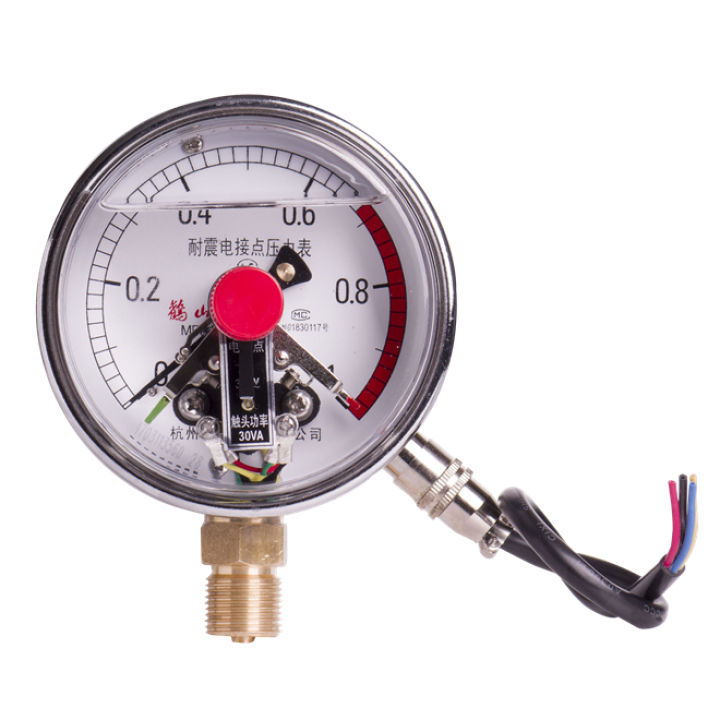
PG-EC-04 Magnetic Electrical Contact Pressure Gauge - Industrial Pressure Gauge
-
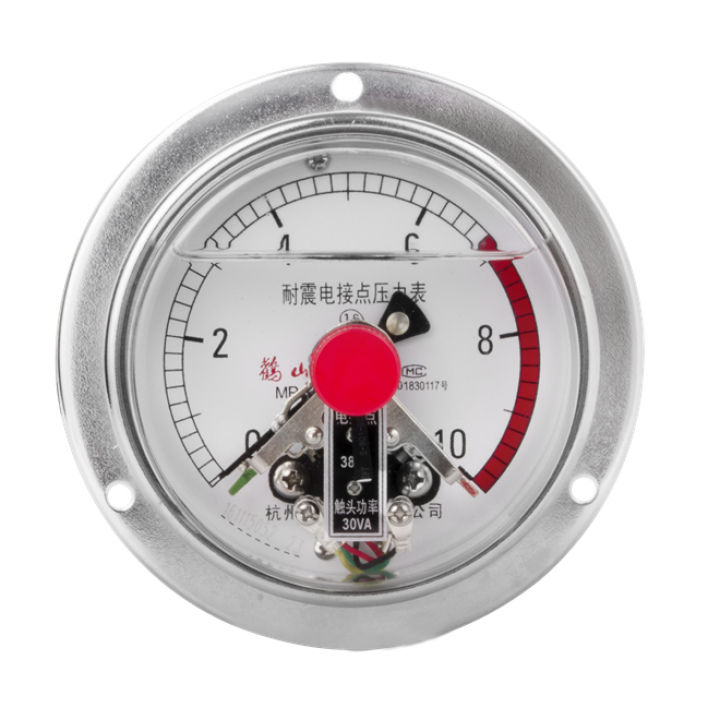
PG-EC-05 Magnetic Electrical Contact Pressure Gauge - Industrial Pressure Gauge
-

PG-L-05-4" Liquid Filled Pressure Gauge - Hydraulic Pressure Gauge
-
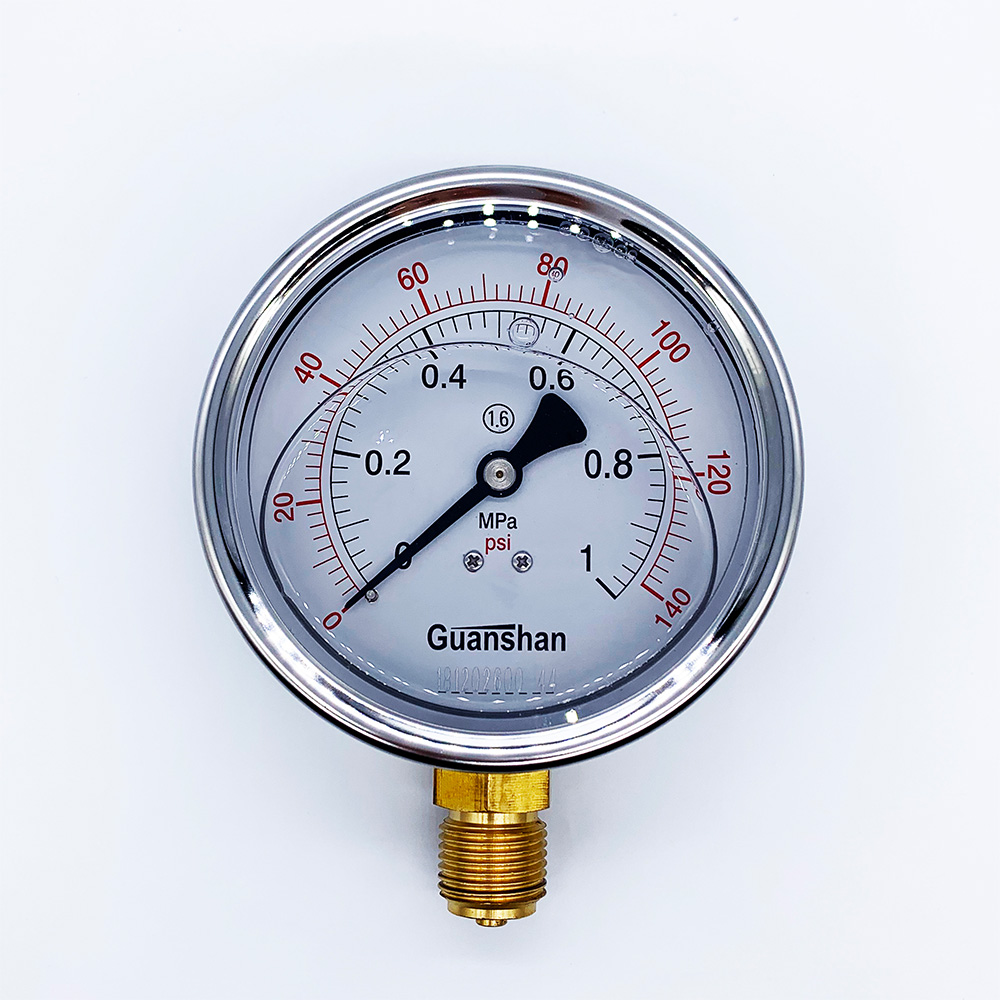
PG-L-04-4 Liquid Filled Pressure Gauge - Hydraulic Pressure Gauge
The Frequent FAQs of Pressure Gauge
What does a pressure gauge do?▾
Understanding the Functionality of Pressure Gauges
Pressure gauges, essential tools in various industries, perform the critical role of measuring the pressure of gases or liquids. Their fundamental purpose is to ensure that pressure levels remain within safe and optimal ranges, which is vital for the efficient and secure operation of machinery and systems. By providing accurate pressure readings, these instruments help prevent potential hazards and inefficiencies.
● How Pressure Gauges Work
To appreciate what a pressure gauge does, it is important to first understand its basic operating principle. The gauge is typically connected to a system where it can detect the pressure of a fluid or gas. Inside, a component—often a Bourdon tube, diaphragm, or capsule—reacts to the pressure change. As pressure rises or falls, the element deforms or shifts. This movement is translated into a readable display on the gauge, usually a dial or digital screen, which indicates the specific pressure level.
In most conventional designs, the internal mechanism is linked to a needle that rotates around a dial face, marked with pressure units such as pounds per square inch (PSI), bars, or pascals. These readings help operators monitor the system and make necessary adjustments to maintain the desired pressure levels.
● Varieties of Pressure Gauges
Pressure gauges come in various types, each suited to different applications and environments. Mechanical gauges, like the Bourdon tube type, are widely used due to their reliability and durability. They function without the need for electrical power, making them suitable for numerous industrial applications, particularly in harsh environments.
Digital pressure gauges, on the other hand, offer enhanced precision and are equipped with features such as data logging and remote monitoring. These gauges are particularly useful in settings where precise pressure readings are required, or where automation is a part of the operational process.
● Importance and Applications
The significant role of pressure gauges can be seen across multiple industry sectors. In manufacturing, they help maintain the correct pressure levels in machinery to ensure product quality and process safety. In the automotive sector, pressure gauges are vital for monitoring tire pressures, contributing to vehicle safety and efficiency. In the energy sector, they play an essential part in monitoring systems such as boilers and gas pipelines to prevent overpressure, which can lead to accidents or damage.
● Integration with Manometers
Manometers, another type of pressure measuring device, often work in tandem with pressure gauges to offer enhanced versatility. While pressure gauges provide quick and straightforward readings of pressure levels, manometers can offer a more precise measurement by comparing it to atmospheric pressure. This combination is particularly valuable in laboratories and specialized industrial applications where high accuracy is paramount.
● Conclusion
In summary, pressure gauges are indispensable tools that provide vital pressure information, ensuring the safety and efficiency of diverse systems. Whether in a straightforward mechanical format or as part of a sophisticated digital monitoring system, they help maintain operational integrity and prevent failures. By understanding and effectively using pressure gauges, industries can enhance safety standards, optimize processes, and ensure the longevity of equipment. Through their crucial function, pressure gauges undoubtedly play a key role in the realm of pressure measurement and control.
What are the types of pressure gauges?▾
Pressure gauges are essential instruments used across various industries to measure and monitor the pressure of gases or liquids. Understanding the different types of pressure gauges available can help in selecting the appropriate one for specific applications, ensuring accurate and reliable measurements.
Pressure gauges come in various types, each designed for specific purposes and working environments. The following are some common types of pressure gauges:
The Bourdon tube pressure gauge is one of the most widely used types. It consists of a curved tube that straightens when pressure is applied. This mechanical change is then translated into a dial reading. Bourdon tube gauges are popular due to their simplicity, durability, and ability to measure a wide range of pressures.
Diaphragm pressure gauges operate using a diaphragm, a thin, flexible membrane that deflects in response to pressure changes. These gauges are suitable for low-pressure applications and can handle corrosive and viscous fluids. They are also preferred in industries where sanitary conditions are essential because the diaphragm can be easily isolated from the media being measured.
Capsule pressure gauges are specifically designed for measuring low pressures. They incorporate two welded diaphragms forming a capsule, which expands or contracts with pressure changes. These gauges are precise in measuring small pressure differences and are commonly used in air handling systems and gas distribution.
Differential pressure gauges measure the difference in pressure between two points. They are crucial in applications where monitoring the pressure drop across a filter or orifice plate is necessary. These gauges find applications in HVAC systems, liquid level measurement, and flow measurement processes.
Digital pressure gauges offer a modern alternative to traditional analog gauges. They provide highly accurate readings and often come with features like data logging and connectivity to other digital systems. Digital gauges are particularly useful in environments where precision and real-time monitoring are critical.
Choosing the right pressure gauge involves considering various factors beyond the type of gauge. The following aspects should be taken into account:
Select a gauge with a measurement range that suits your application. It's essential that the gauge can handle the maximum pressure without being damaged. Ensure that the gauge displays pressure in the preferred units for convenience and compliance with local standards.
The materials of the pressure gauge must be compatible with the media being measured. Materials should resist corrosion, especially when measuring aggressive or corrosive fluids, to ensure longevity and accuracy.
Accuracy is a crucial attribute of any pressure gauge. Check the accuracy class of the gauge and whether it requires regular calibration. High-precision applications demand gauges with minimal measurement errors.
Consider the environmental conditions such as temperature, humidity, and exposure to chemicals or mechanical vibrations. The gauge should be robust enough to withstand these conditions without compromising its performance.
Easy installation and maintenance are desirable features in a pressure gauge. Consider gauges that are straightforward to mount and calibrate to reduce downtime and maintenance costs.
In conclusion, pressure gauges are indispensable tools for ensuring safe and efficient operations in numerous industries. Understanding the types and selecting the right pressure gauge for your application involves considering factors like measurement range, material compatibility, and accuracy. Whether you choose a traditional Bourdon tube gauge or a high-tech digital pressure gauge, each type offers unique benefits that cater to specific monitoring and measurement needs.
Types of Pressure Gauges
Pressure gauges come in various types, each designed for specific purposes and working environments. The following are some common types of pressure gauges:
● Bourdon Tube Pressure Gauge
The Bourdon tube pressure gauge is one of the most widely used types. It consists of a curved tube that straightens when pressure is applied. This mechanical change is then translated into a dial reading. Bourdon tube gauges are popular due to their simplicity, durability, and ability to measure a wide range of pressures.
● Diaphragm Pressure Gauge
Diaphragm pressure gauges operate using a diaphragm, a thin, flexible membrane that deflects in response to pressure changes. These gauges are suitable for low-pressure applications and can handle corrosive and viscous fluids. They are also preferred in industries where sanitary conditions are essential because the diaphragm can be easily isolated from the media being measured.
● Capsule Pressure Gauge
Capsule pressure gauges are specifically designed for measuring low pressures. They incorporate two welded diaphragms forming a capsule, which expands or contracts with pressure changes. These gauges are precise in measuring small pressure differences and are commonly used in air handling systems and gas distribution.
● Differential Pressure Gauge
Differential pressure gauges measure the difference in pressure between two points. They are crucial in applications where monitoring the pressure drop across a filter or orifice plate is necessary. These gauges find applications in HVAC systems, liquid level measurement, and flow measurement processes.
● Digital Pressure Gauge
Digital pressure gauges offer a modern alternative to traditional analog gauges. They provide highly accurate readings and often come with features like data logging and connectivity to other digital systems. Digital gauges are particularly useful in environments where precision and real-time monitoring are critical.
Considerations for Selecting a Pressure Gauge
Choosing the right pressure gauge involves considering various factors beyond the type of gauge. The following aspects should be taken into account:
● Measuring Range and Units
Select a gauge with a measurement range that suits your application. It's essential that the gauge can handle the maximum pressure without being damaged. Ensure that the gauge displays pressure in the preferred units for convenience and compliance with local standards.
● Material Compatibility
The materials of the pressure gauge must be compatible with the media being measured. Materials should resist corrosion, especially when measuring aggressive or corrosive fluids, to ensure longevity and accuracy.
● Accuracy and Calibration
Accuracy is a crucial attribute of any pressure gauge. Check the accuracy class of the gauge and whether it requires regular calibration. High-precision applications demand gauges with minimal measurement errors.
● Environmental Conditions
Consider the environmental conditions such as temperature, humidity, and exposure to chemicals or mechanical vibrations. The gauge should be robust enough to withstand these conditions without compromising its performance.
● Installation and Maintenance
Easy installation and maintenance are desirable features in a pressure gauge. Consider gauges that are straightforward to mount and calibrate to reduce downtime and maintenance costs.
In conclusion, pressure gauges are indispensable tools for ensuring safe and efficient operations in numerous industries. Understanding the types and selecting the right pressure gauge for your application involves considering factors like measurement range, material compatibility, and accuracy. Whether you choose a traditional Bourdon tube gauge or a high-tech digital pressure gauge, each type offers unique benefits that cater to specific monitoring and measurement needs.
How is a pressure gauge working?▾
A pressure gauge is an essential instrument in various industries, playing a pivotal role in monitoring and ensuring the safety and efficiency of systems that rely on controlled pressure. Understanding how a pressure gauge works involves exploring its components, principles, and applications.
At its core, a pressure gauge measures the force exerted by a liquid or gas within a system. This force is often compared to a reference point, typically atmospheric pressure, to provide a reading. The gauge converts the pressure exerted by the fluid into a readable value, displayed either mechanically or digitally. The fundamental principle lies in balancing the unknown pressure against a known measure, ensuring accurate readings crucial for maintaining the stability of industrial processes or household appliances.
The Bourdon tube is one of the most prevalent mechanisms found in pressure gauges today. This device consists of a curved, flexible tube that responds to changes in pressure. As the internal pressure increases, the tube tends to straighten due to the force exerted. This movement is then transferred through a linkage to a pointer, which moves across a calibrated dial to display the pressure level. Such gauges are beloved for their reliability and simplicity, making them a staple in pressure gauge factories worldwide.
In addition to the Bourdon tube, pressure gauges may use diaphragm or capsule elements. A diaphragm gauge features a flexible membrane that deflects as pressure changes, with this deflection converted into a readable value. On the other hand, capsule elements often consist of two thin diaphragms sealed at their edges, offering enhanced sensitivity for low-pressure applications. Each type of gauge has its specific advantages, tailored to meet the diverse needs of different pressure gauge applications.
While mechanical gauges are widely used, digital pressure gauges have gained popularity due to their precision and ease of use. Equipped with electronic sensors, these gauges provide an accurate digital readout of pressure levels. The sensors, often based on piezoelectric or capacitive technology, detect pressure changes and convert them into electronic signals. This approach reduces the potential for mechanical wear and tear, offering longevity and consistent performance under demanding conditions.
Pressure gauges are indispensable across various industries, from oil and gas to manufacturing and healthcare. In the oil and gas sector, precise pressure monitoring is critical for the safe operation of pipelines and drilling equipment. Manufacturing plants rely on accurate pressure readings to maintain optimal performance of machinery, preventing costly downtime. In healthcare, medical devices such as oxygen tanks and blood pressure monitors utilize pressure gauges to ensure patient safety and care quality.
For those seeking high-quality pressure gauges, choosing a reputable pressure gauge factory is paramount. These factories prioritize precision engineering, rigorous testing, and adherence to industry standards, ensuring that the gauges produced meet the exacting demands of their applications. By leveraging advanced manufacturing technologies, pressure gauge factories deliver products that offer reliability, accuracy, and durability, essential for maintaining operational safety and efficiency.
In conclusion, pressure gauges are vital instruments that serve various applications by providing accurate pressure readings. Whether employing traditional mechanical methods or advanced digital technology, pressure gauges ensure the safe and efficient operation of systems across industries. Selecting a trusted pressure gauge factory guarantees that these instruments remain reliable components in any application requiring precise pressure management.
Understanding the Core Principle
At its core, a pressure gauge measures the force exerted by a liquid or gas within a system. This force is often compared to a reference point, typically atmospheric pressure, to provide a reading. The gauge converts the pressure exerted by the fluid into a readable value, displayed either mechanically or digitally. The fundamental principle lies in balancing the unknown pressure against a known measure, ensuring accurate readings crucial for maintaining the stability of industrial processes or household appliances.
Components and Mechanisms
● Bourdon Tube Gauges
The Bourdon tube is one of the most prevalent mechanisms found in pressure gauges today. This device consists of a curved, flexible tube that responds to changes in pressure. As the internal pressure increases, the tube tends to straighten due to the force exerted. This movement is then transferred through a linkage to a pointer, which moves across a calibrated dial to display the pressure level. Such gauges are beloved for their reliability and simplicity, making them a staple in pressure gauge factories worldwide.
● Diaphragm and Capsule Elements
In addition to the Bourdon tube, pressure gauges may use diaphragm or capsule elements. A diaphragm gauge features a flexible membrane that deflects as pressure changes, with this deflection converted into a readable value. On the other hand, capsule elements often consist of two thin diaphragms sealed at their edges, offering enhanced sensitivity for low-pressure applications. Each type of gauge has its specific advantages, tailored to meet the diverse needs of different pressure gauge applications.
Digital Advancements
While mechanical gauges are widely used, digital pressure gauges have gained popularity due to their precision and ease of use. Equipped with electronic sensors, these gauges provide an accurate digital readout of pressure levels. The sensors, often based on piezoelectric or capacitive technology, detect pressure changes and convert them into electronic signals. This approach reduces the potential for mechanical wear and tear, offering longevity and consistent performance under demanding conditions.
Applications Across Industries
Pressure gauges are indispensable across various industries, from oil and gas to manufacturing and healthcare. In the oil and gas sector, precise pressure monitoring is critical for the safe operation of pipelines and drilling equipment. Manufacturing plants rely on accurate pressure readings to maintain optimal performance of machinery, preventing costly downtime. In healthcare, medical devices such as oxygen tanks and blood pressure monitors utilize pressure gauges to ensure patient safety and care quality.
Ensuring Quality and Reliability
For those seeking high-quality pressure gauges, choosing a reputable pressure gauge factory is paramount. These factories prioritize precision engineering, rigorous testing, and adherence to industry standards, ensuring that the gauges produced meet the exacting demands of their applications. By leveraging advanced manufacturing technologies, pressure gauge factories deliver products that offer reliability, accuracy, and durability, essential for maintaining operational safety and efficiency.
In conclusion, pressure gauges are vital instruments that serve various applications by providing accurate pressure readings. Whether employing traditional mechanical methods or advanced digital technology, pressure gauges ensure the safe and efficient operation of systems across industries. Selecting a trusted pressure gauge factory guarantees that these instruments remain reliable components in any application requiring precise pressure management.
 Privacy settings