

- Introduction to Capsule Pressure Sensors
- Understanding the Working Principle
- Preliminary Inspection Before Testing
- Test Setup and Equipment Needed
- Performing Initial Calibration
- Testing for Accuracy and Precision
- Evaluating Sensor Responsiveness
- Identifying and Troubleshooting Issues
- Maintenance and Best Practices
- Conclusion and Recommendations
Capsule pressure sensors are essential tools in numerous industries, offering precise low-pressure measurements for various applications. From pneumatic systems to vacuum pumps, these sensors are crucial in ensuring accuracy and efficiency. In this article, we will detail the testing process for capsule pressure sensors, providing professionals with a comprehensive guide. We will cover everything from understanding their working principles to troubleshooting common issues.
Introduction to Capsule Pressure Sensors
Importance in Various Industries
The capsule pressure sensor plays a pivotal role in industries such as HVAC, medical equipment, and industrial automation. Its ability to measure low-pressure gases accurately makes it indispensable in settings where precision is paramount.
Differences from Other Pressure Sensors
Unlike Bourdon tube gauges, capsule pressure sensors are specially designed for low-pressure applications, typically ranging from 0.25 to 600 mbar. This makes them ideal for environments where even minor pressure changes can have significant impacts.
Understanding the Working Principle
Structure of Capsule Pressure Sensors
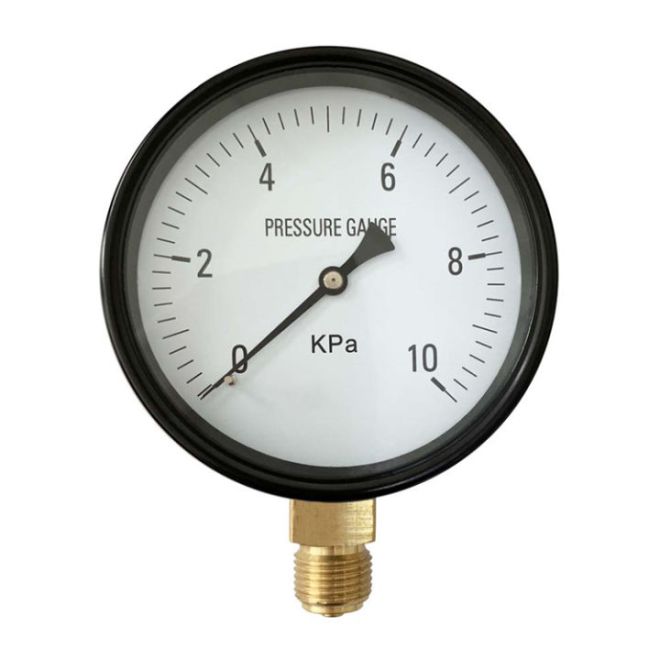
Capsule pressure sensors consist of two circular membranes joined at the edges. One membrane features a central opening, allowing the gas medium to enter. As pressure differences occur, the chamber formed by these membranes either expands or contracts.
How Pressure Changes Translate to Readings
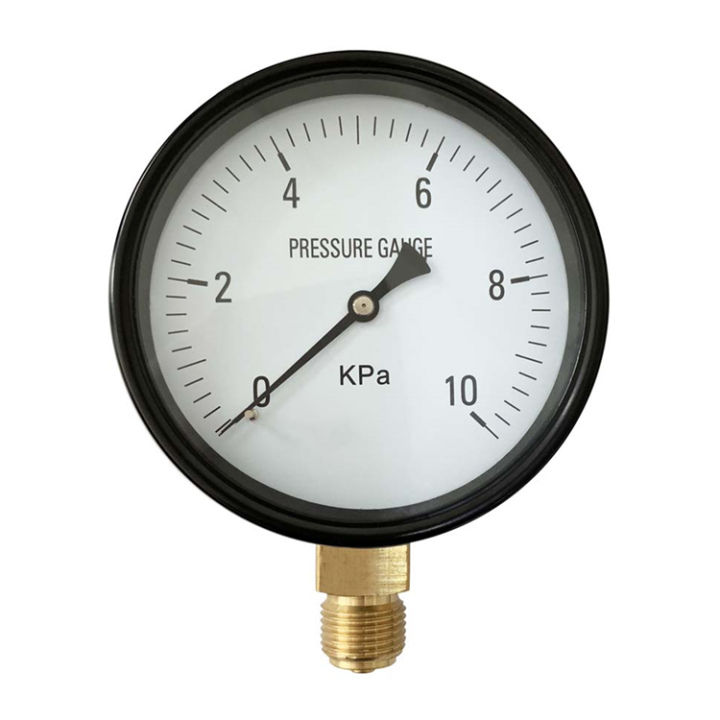
The deformation of the membranes due to pressure changes is relayed through a deflector rod, which converts the mechanical movement into a rotational display on the gauge face. This mechanism ensures accurate and real-time pressure readings.
Preliminary Inspection Before Testing
Visual Inspection for Damages
Before testing, inspect the sensor for any physical damage, such as cracks or dents, which could impair functionality. Ensure that the membranes are intact and the entry port is unobstructed.
Checking for Calibration Markings
Ensure that the capsule pressure sensor is calibrated according to manufacturer specifications. Look for calibration markings that validate the sensor's accuracy and reliability.
Test Setup and Equipment Needed
Essential Tools for Testing
For effective testing, gather tools such as a reference pressure source, digital multimeter, and calibration pump. These tools ensure controlled testing conditions.
Safety Precautions to Observe
Always adhere to safety protocols, including wearing protective gear and ensuring that all equipment is functioning correctly to prevent accidents during testing.
Performing Initial Calibration
Steps for Zeroing the Sensor
Initiate calibration by zeroing the sensor. Connect it to a stable pressure source, allowing it to stabilize at atmospheric pressure. Adjust the zero setting to ensure the sensor reads accurately at this baseline.
Importance of Baseline Accuracy
Establishing a precise baseline is critical, as even small deviations can lead to significant measurement errors. Regular recalibrations are advised, especially after extensive use or exposure to extreme conditions.
Testing for Accuracy and Precision
Methods to Ensure Sensor Reliability
To test accuracy, apply a known reference pressure and compare it with the sensor reading. Ensure that the deviation falls within the specified tolerance, typically less than 1% of the full-scale range.
Common Accuracy Benchmarks
For most industrial applications, a capsule pressure sensor should demonstrate an accuracy of ±0.5% to ±1% of the full scale. Higher precision sensors can offer even tighter tolerances.
Evaluating Sensor Responsiveness
Measuring Reaction to Pressure Changes
Test sensor responsiveness by rapidly fluctuating the pressure and observing the readout stability. A high-quality capsule pressure sensor should quickly stabilize within seconds.
Factors Affecting Response Time
Response time can be impacted by factors such as sensor design, membrane material, and ambient temperature. Ensure that the sensor is appropriate for the specific application environment.
Identifying and Troubleshooting Issues
Common Problems and Solutions
Issues like drift, noise, or slow response can often be rectified by recalibrating the sensor or cleaning the entry ports. Persistent issues may indicate the need for sensor replacement.
When to Seek Professional Assistance
If problems persist despite troubleshooting, consult the capsule pressure sensor manufacturer or supplier for professional assistance, especially for complex industrial applications.
Maintenance and Best Practices
Regular Maintenance Schedule
Implement a regular maintenance routine, inspecting the sensor periodically and recalibrating as needed to maintain optimal performance.
Tips for Prolonging Sensor Lifespan
To extend the lifespan of the sensor, store it in a clean, dry environment and avoid exposure to corrosive substances or extreme temperature fluctuations.
Conclusion and Recommendations
Summary of Key Testing Practices
Testing and maintaining capsule pressure sensors involve a sequence of meticulous checks and calibrations. Accurate readings are essential for the systems dependent on these sensors.
Future Trends in Pressure Sensor Technology
Technological advancements continue to improve the accuracy, precision, and versatility of capsule pressure sensors. Staying informed about these trends can help users make informed decisions about wholesale capsule pressure sensor purchases from trusted capsule pressure sensor suppliers and manufacturers.
 Privacy settings