
How to Choose the Right Air Compressor Gauge for Your Plant

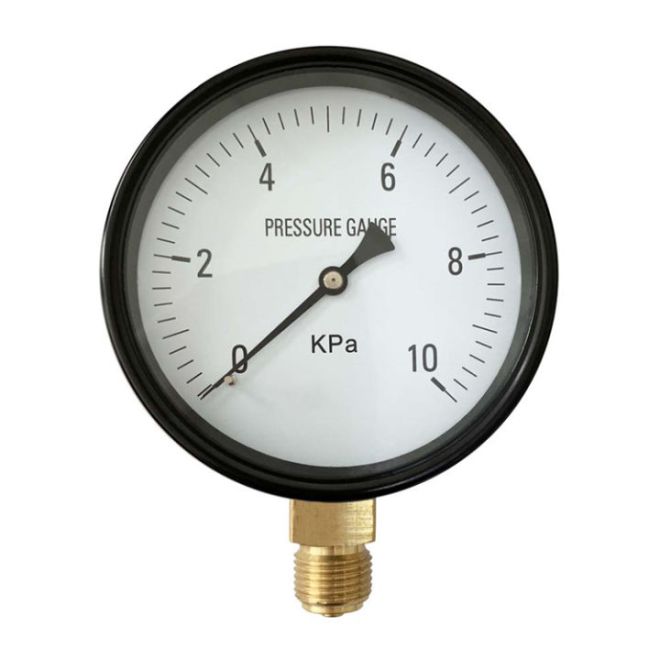
- ⚙️ Understanding Pressure Range Requirements for Plant Air Compressor Systems
- 📏 Selecting Gauge Sizes and Connection Types for Existing Piping Layouts
- 🛡️ Evaluating Durability, Materials, and Environmental Resistance in Harsh Plant Conditions
- 🔍 Choosing Between Analog and Digital Gauges from Guanshan Instruments
- 🧪 Establishing Calibration, Accuracy, and Maintenance Practices for Reliable Gauge Readings
- Conclusion
- Frequently Asked Questions about air compressor gauge
Picking an air compressor gauge can feel like guessing your plant’s blood pressure—too high, too low, and everything either squeals, leaks, or naps on the job.
Match gauge range to system pressure, confirm accuracy class, and follow OSHA compressed air safety guidelines to keep your plant efficient and safe.
⚙️ Understanding Pressure Range Requirements for Plant Air Compressor Systems
Choosing the right air compressor gauge starts with knowing your plant’s pressure needs. Correct pressure range protects tools, reduces leaks, and avoids dangerous overpressure events.
Match gauge range to both normal working pressure and rare peaks. This keeps readings clear and extends gauge life in demanding plant environments.
1. Define Normal Operating and Maximum Surge Pressures
First, list minimum, normal, and maximum line pressures. Select a gauge with a full scale about twice normal pressure to reduce wear and improve readability.
- Normal plant air: often 6–8 bar (90–120 psi)
- Set gauge full scale: 1.5–2.0 × normal pressure
- Leave margin for short spikes and start-up loads
2. Match Gauge Type to Pressure Level
Low, medium, and high pressure zones need different gauge designs for safety and accuracy.
| Zone | Typical Range | Recommended Gauge |
|---|---|---|
| Low pressure | < 1 bar | PG-CP-07 Capsule Pressure Gauge - low pressure gauge |
| General plant air | 1–16 bar | Standard industrial pressure gauges |
| Pulsing / hydraulic | Up to 400 bar | PG-L-05-4" Liquid Filled Pressure Gauge - Hydraulic Pressure Gauge |
3. Consider Process Sensitivity and Control Needs
Some processes need tight control; others tolerate wider swings. Choose finer or wider scales based on how closely you must watch pressure.
- Critical packaging, coating, or dosing: narrow scales, higher accuracy
- General tools and utility air: standard accuracy is usually enough
- Review OEM pressure limits for key equipment
4. Align Gauge Range with Safety Devices
Confirm gauge range matches relief valves, regulators, and alarms. Operators must see unsafe pressure before safety devices activate.
- Mark safe working band in green on the dial
- Show warning and danger zones in yellow and red
- Keep gauge scale above relief valve set point
📏 Selecting Gauge Sizes and Connection Types for Existing Piping Layouts
Gauge size and connection style must fit your plant’s current piping. Good layout improves visibility, safety, and maintenance speed.
Plan for front reading, safe access, and stable mounting. This keeps measurements clear and prevents gauge damage from vibration and strain.
1. Choose Dial Diameter for Readability Distance
Pick gauge diameter based on viewing distance and lighting. Large dials help operators quickly read pressure from walkways or control points.
- 2.5"–3": close-up panels and tight cabinets
- 4": standard plant use and walk-by checks
- 6": distant or high-mount locations
2. Match Thread Size and Orientation
Verify process connection size, thread type, and position before ordering. Wrong connections cause leaks and mounting problems.
| Factor | Options | Notes |
|---|---|---|
| Thread size | 1/4", 1/2" NPT/BSP | Most plant air uses 1/4" or 1/2" |
| Orientation | Bottom, back | Bottom for piping, back for panels |
| Adapter use | Bushings, reducers | Limit use to reduce leak points |
3. Analyze Layout Using Bar Chart Data
Use layout data to choose where large or special gauges give most value. The chart below shows one way to prioritize gauge sizes.
4. Integrate with Panels, Manifolds, and Isolation Valves
Good mounting protects the gauge and makes replacement simple. Plan shutoff valves and test points near key instruments.
- Use gauge cocks or needle valves for isolation
- Mount on manifolds to reduce piping stress
- Group gauges on panels for quick visual checks
🛡️ Evaluating Durability, Materials, and Environmental Resistance in Harsh Plant Conditions
Plants expose gauges to vibration, moisture, dust, and chemicals. Durable materials reduce failures, leaks, and unplanned stops in compressed air systems.
Choose construction and filling based on ambient risk, cleaning methods, and the chance of corrosion or strong vibration.
1. Select Housing, Wetted Parts, and Movement Materials
Material choice affects service life and safety in harsh media or washdown areas.
- Use stainless steel bodies and internals for wet or corrosive zones
- For clean, dry air, standard brass internals can be cost effective
- In aggressive plants, consider an all stainless model such as PG-SS--09 4" All SS manometer gauge - Stainless Steel Pressure Gauge
2. Manage Vibration, Pulsation, and Shock
Compressor discharge and fast valves can cause pointer flutter and wear. The right fill and mounting reduce this damage.
| Issue | Mitigation |
|---|---|
| Strong vibration | Use liquid-filled gauges; add remote mounting and flexible lines |
| Pressure spikes | Snubbers, restrictors, or damped gauges |
| Mechanical shock | Protective guards and secure brackets |
3. Protect Against Moisture, Dust, and Chemicals
Check IP rating and sealing. Match gauge to cleaning method, weather exposure, and any chemical mist or fumes in the area.
- Use sealed or filled gauges in washdown or outdoor locations
- For chemical exposure, confirm material compatibility
- Add shields where risk of impact or spray is high
🔍 Choosing Between Analog and Digital Gauges from Guanshan Instruments
Both analog and digital gauges serve plant air systems well. The right choice depends on how often you read, log, and control pressure.
Consider visibility, required accuracy, data needs, and budget. Many plants use both types in different spots for best value.
1. When Analog Gauges Are the Better Fit
Analog gauges shine for quick walk-by checks and rugged service with no power supply or complex setup needed.
- Simple, clear dial for operators at a glance
- No batteries or power wiring to manage
- Good for local checks near compressors and tools
2. When to Upgrade to Digital Gauges
Digital gauges help where you need precise readings, data logging, or integration into control or monitoring systems.
- Higher resolution and easy-to-read numeric display
- Optional outputs for PLCs or SCADA
- Helpful for audits, energy projects, and leak tracking
3. Combine Analog and Digital Across the Plant
Use digital gauges at critical nodes and analog gauges on branch lines. This mix balances cost, reliability, and information depth.
| Location | Preferred Gauge |
|---|---|
| Compressor discharge and main header | Digital or high-accuracy analog |
| General distribution lines | Standard analog gauges |
| Test and audit points | Portable digital gauges |
🧪 Establishing Calibration, Accuracy, and Maintenance Practices for Reliable Gauge Readings
Even the best gauge drifts over time. A clear calibration and maintenance plan keeps readings consistent and trustworthy.
Plan inspection intervals, cleaning, and replacement rules. This avoids surprises during audits and prevents slow pressure loss or overload.
1. Define Accuracy Class and Critical Locations
Not every point needs high accuracy. Focus effort where wrong pressure would damage product or stop key lines.
- Specify accuracy class (for example, ±1% or ±1.6%) by location
- Use tighter accuracy near compressors and regulators
- Document each gauge’s role and required tolerance
2. Set Calibration and Inspection Intervals
Base intervals on risk, environment, and legal rules. Keep a log of checks, adjustments, and replacements.
| Service Level | Typical Interval |
|---|---|
| Critical process air | 6–12 months |
| General plant utility | 12–24 months |
| Harsh or vibrating zones | Shorter, based on history |
3. Perform Routine Handling, Cleaning, and Replacement
Train staff to treat gauges as precision tools. Fast visual checks help catch damage and drift early.
- Inspect pointers, lenses, and cases during walk-throughs
- Clean lenses with soft cloth; avoid harsh solvents
- Replace damaged or constantly drifting gauges promptly
Conclusion
Choosing the right air compressor gauge for your plant means matching pressure range, size, materials, and type to real operating needs. Thoughtful selection reduces downtime and improves safety.
Combine durable designs with clear calibration rules and routine checks. Over time, this structured approach lowers energy waste, protects equipment, and keeps operators confident in every reading.
Frequently Asked Questions about air compressor gauge
1. What pressure range should I select for my air compressor gauge?
Choose a full-scale range about 1.5–2 times your normal working pressure. This prevents overloading, improves readability, and extends gauge life under normal plant conditions.
2. Do I need a liquid-filled gauge for my compressed air system?
Use liquid-filled gauges where vibration, pulsation, or pressure spikes are common. The fill fluid damps pointer movement, protects internals, and improves reading stability.
3. How often should air compressor gauges be calibrated?
For most plants, calibrate critical gauges every 6–12 months and utility gauges every 12–24 months. Shorten intervals in harsh or highly vibrating environments.
4. When should I choose stainless steel instead of brass for gauge construction?
Choose stainless steel when moisture, washdown, outdoor exposure, or mild chemicals are present. It offers better corrosion resistance and longer life than brass in tough areas.
5. Are digital gauges always better than analog gauges?
Not always. Digital gauges give precise readings and data outputs, but analog gauges are cheaper, require no power, and work well for quick visual checks.
 Privacy settings