
Comparative Analysis of Digital vs Analog Gas Pressure Gauges

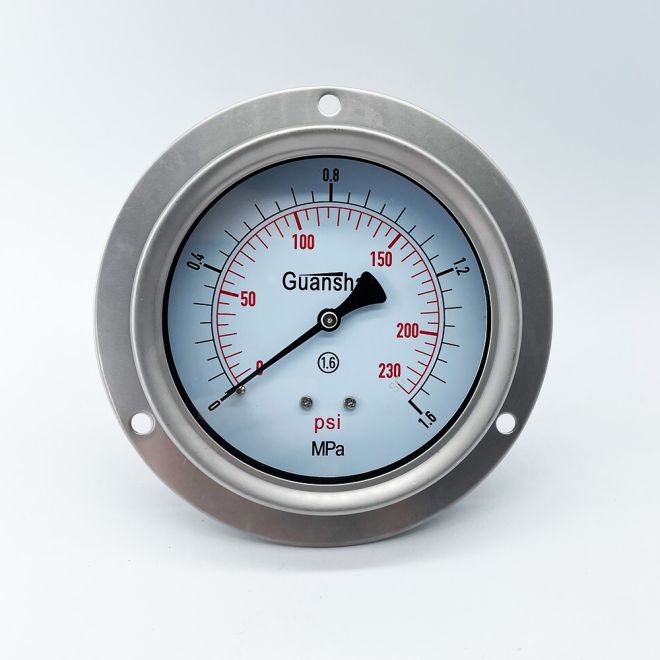
- ⚙️ Fundamental Operating Principles of Digital and Analog Gas Pressure Gauges
- 📏 Measurement Accuracy, Resolution, and Response Time in Different Application Scenarios
- 🔋 Power Requirements, Durability, and Maintenance Considerations for Long-Term Use
- 🧰 Installation, Calibration, and Usability for Technicians and Field Engineers
- 🏭 Recommended Gauge Selection for Industrial Processes: Choose Guanshan Instruments
- Conclusion
- Frequently Asked Questions about pressure gauge for gas
Your gas gauges feel like stubborn fortune cookies—analog needles wobble, digital screens blink low battery, and you just want to know if the pressure’s safe before something hisses, leaks, or goes boom in front of your coffee.
Relax. Pick the right gauge by comparing accuracy, readability, and maintenance needs; digital models often win for precision and data logging, while analog shines in durability—see this detailed comparison from NIST: NIST Pressure Measurement Resources.
⚙️ Fundamental Operating Principles of Digital and Analog Gas Pressure Gauges
Digital gas pressure gauges use electronic sensors and microprocessors. Analog gauges rely on mechanical parts like bourdon tubes or capsules to convert pressure into pointer movement.
Understanding these basics helps you choose the right device for gas lines, process plants, and HVAC systems where reliability, readability, and safety all matter.
1. Analog Gauge Mechanics
Analog gauges convert gas pressure into motion through elastic elements, then display it with a dial and pointer. They work without external power and handle harsh sites well.
- Common sensing elements: bourdon tube, diaphragm, capsule
- Ideal for low-pressure gas: PG-CP-06 Capsule Pressure Gauge - low pressure gauge
- Good visual trend reading
2. Digital Gauge Electronics
Digital gauges use pressure sensors, signal conditioning, and an A/D converter to show precise readings on an LCD. They often add logging, alarms, and communication outputs.
- High resolution and clear numeric display
- Useful for audits, test benches, and critical gas lines
- Requires battery or external power
3. Signal Conversion and Output
Digital units can convert pressure into 4–20 mA or fieldbus signals, while analog models may add electrical contacts for control circuits and safety interlocks.
| Type | Typical Output |
|---|---|
| Digital | Display + analog / digital signal |
| Analog with contact | Switch output for alarms |
4. Environmental and Safety Behavior
Analog gauges resist surges and EMI, while digital versions offer better diagnostics. For rough vibration and shock, liquid-filled analog gauges perform very well.
- Vibration control: PG-L-01-2.5" Liquid Filled Pressure Gauge - Glycerin Filled Pressure Gauge
- Check material compatibility with process gas
📏 Measurement Accuracy, Resolution, and Response Time in Different Application Scenarios
Digital gas pressure gauges usually give higher accuracy and resolution, while analog gauges offer fast visual feedback and natural damping for unstable gas pressures.
Selection depends on how often pressure changes, how critical accuracy is, and whether technicians need quick trend checks or recorded data.
1. Typical Accuracy Comparison
Digital gauges often reach 0.25–0.5% full-scale accuracy. Standard analog gauges usually range from 1–1.6%, though special industrial designs can perform tighter.
2. Resolution and Readability
Digital gauges show exact digits, which helps when you need small pressure changes. Analog dials are easier for quick checks and trend reading from a distance.
| Feature | Digital | Analog |
|---|---|---|
| Small change detection | Excellent | Moderate |
| Far distance reading | Good | Very good |
3. Response Time in Dynamic Systems
Both types respond quickly, but analog pointers show rapid swings more naturally. Digital units may use damping settings to stabilize the display for gas pulsations.
4. Application-Based Selection
For critical gas metering and testing, digital gauges shine. For general plant monitoring and rugged lines, analog gauges remain highly cost-effective and trusted.
🔋 Power Requirements, Durability, and Maintenance Considerations for Long-Term Use
Digital gauges need power and more care, while analog gauges give simple, long-lasting service when sized and installed correctly.
Long-term reliability depends on process conditions, vibration, and the desired inspection and calibration cycle.
1. Power and Signal Needs
Digital gauges may use batteries or loop power. Analog gauges need no external power unless fitted with contacts or transmitters.
- Check battery life for remote gas lines
- Plan access for replacements and testing
2. Durability Under Harsh Conditions
Filled analog gauges handle vibration, shock, and pulsation better. Digital cases need proper sealing to block dust, moisture, and corrosive gas.
- Use liquid filling to extend analog lifespan
- Choose correct IP rating for outdoor gas stations
3. Maintenance and Calibration
Set realistic calibration intervals based on safety class and regulation. Digital models often support easy zeroing, while analog gauges may need adjustment tools.
| Gauge Type | Typical Calibration Interval |
|---|---|
| Digital test | 6–12 months |
| Industrial analog | 12–24 months |
🧰 Installation, Calibration, and Usability for Technicians and Field Engineers
Both gauge types should install cleanly, isolate safely, and allow simple calibration. Good usability saves time and reduces mistakes in the field.
Clear markings, robust cases, and standard connections help teams standardize tools across different gas systems.
1. Mechanical Installation Practices
Use proper threads, sealants, and shut-off valves. Mount gauges where technicians can see and reach them without climbing or stretching dangerously.
- Include siphons for steam-related gas lines
- Use snubbers on pulsating compressors
2. Calibration and Verification Steps
Follow manufacturer ranges and use traceable standards. Record each calibration event and compare drift between digital and analog devices over time.
| Step | Key Action |
|---|---|
| Zero check | Confirm reading at atmospheric pressure |
| Span check | Apply known pressure near full scale |
3. Usability in Daily Operation
Digital displays simplify exact reading, while large analog dials are clear in noisy plants. Training should cover alarm settings and proper handling of each type.
🏭 Recommended Gauge Selection for Industrial Processes: Choose Guanshan Instruments
Industrial users need stable, accurate gauges paired with strong support. Guanshan Instruments offers optimized solutions for gas service across many industries.
From low-pressure lines to complex control loops, their products balance safety, cost, and performance.
1. Low and Medium Gas Pressure Lines
For precise low-pressure gas, Guanshan’s capsule designs protect sensitive elements while staying easy to read and maintain over long service periods.
- Fine scale for small pressure ranges
- Robust build for plant environments
2. High Vibration and Harsh Service
Liquid-filled gauges from Guanshan reduce pointer flutter, protect internals, and stay readable even on compressors, pumps, and outdoor gas skids.
- Consider the PG-L-01-2.5" Liquid Filled Pressure Gauge - Glycerin Filled Pressure Gauge
- Ideal for pipeline and utility gas monitoring
3. Integrated Alarm and Control Functions
For automated gas systems, Guanshan’s magnetic contact pressure gauges provide both visual indication and switching for alarms and control logic.
- Use the PG-EC-02 Magnetic Electrical Contact Pressure Gauge - Industrial Pressure Gauge for safety loops
- Supports setpoint-based shutdowns
Conclusion
Digital gas pressure gauges offer high accuracy, data functions, and clear readings. Analog gauges provide rugged service, simple use, and fast visual checks.
For most sites, a mix of both types works best. Guanshan Instruments helps you match gauge design to each gas line, safety class, and budget need.
Frequently Asked Questions about pressure gauge for gas
1. Which is better for gas, digital or analog pressure gauges?
It depends on your needs. Use digital gauges when you need high accuracy, logging, or remote outputs. Choose analog gauges for rugged, low-cost, easy visual monitoring.
2. How often should I calibrate a gas pressure gauge?
Many plants calibrate digital test gauges every 6–12 months and industrial analog gauges every 12–24 months. Follow your safety rules and process risk level.
3. Can I use liquid-filled gauges on gas lines?
Yes, if the gauge design suits gas service and pressure rating. Liquid filling helps resist vibration but you must confirm material and sealing compatibility.
4. Why does my gauge pointer vibrate on a gas compressor?
Gas pulsation causes pointer flutter. You can reduce this by using a liquid-filled gauge, adding a snubber, or slightly narrowing the connection orifice.
5. What safety steps should I follow when changing a gas pressure gauge?
Isolate the gauge with a valve, vent pressure safely, verify zero pressure, then remove and replace the gauge. Leak-test connections after installation.
 Privacy settings