
Comparative Analysis of Mechanical vs Digital Boiler Gauges

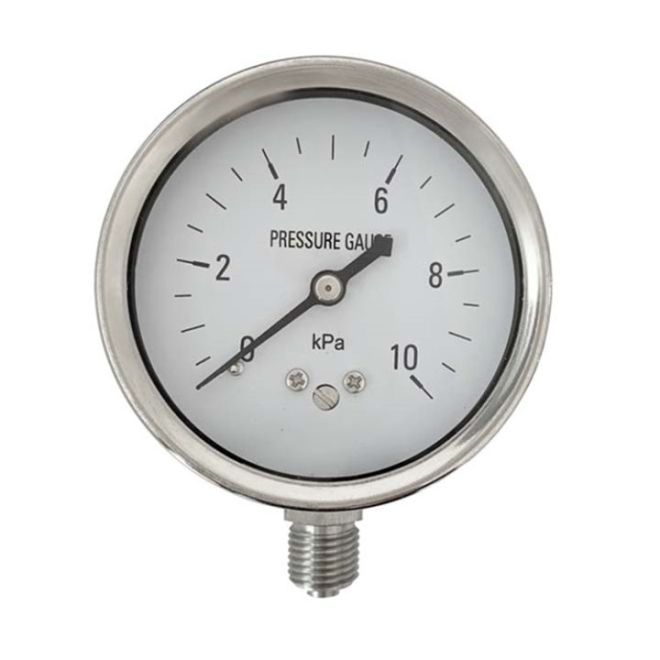
- 1. 🔧 Fundamental Operating Principles of Mechanical and Digital Boiler Gauges Compared
- 2. 📏 Accuracy, Response Time, and Reliability in High-Pressure Boiler Environments
- 3. 🛡️ Safety Implications and Failure Modes of Mechanical Versus Digital Gauges
- 4. 🧰 Installation, Calibration, and Maintenance Considerations for Long-Term Gauge Performance
- 5. 🏭 Application Scenarios and Why Guanshan Instruments Suits Critical Boiler Systems
- Conclusion
- Frequently Asked Questions about boiler pressure gauge
Your boiler gauge looks like it’s speaking an ancient dialect—one needle, one blinking screen, and you nod like you understand, secretly wondering if the house might explode making tea.
Compare mechanical and digital gauges side‑by‑side, then match accuracy, readability, and reliability to your needs using this helpful guide: U.S. DOE Steam System Report.
1. 🔧 Fundamental Operating Principles of Mechanical and Digital Boiler Gauges Compared
Mechanical and digital boiler gauges both track pressure, but they sense, convert, and display data in different ways. Understanding these basics helps you choose the right gauge.
Mechanical models use direct elastic elements. Digital gauges convert sensor signals into numbers on a screen, often adding logging and alarms for better boiler management.
1.1 Mechanical Gauge Working Principle
Mechanical boiler gauges rely on elastic elements to move a pointer over a dial. Common designs include Bourdon tube, diaphragm, and capsule elements.
- Bourdon tube flexes under pressure and moves the pointer.
- Simple design with no power supply needed.
- Best for steady, medium to high pressure ranges.
1.2 Digital Gauge Working Principle
Digital boiler gauges use electronic sensors, such as strain gauges, to sense pressure and convert it into an electrical signal for digital display.
- Signal goes through an amplifier and A/D converter.
- Data appears as clear numbers on the screen.
- Many models support data logging and communication.
1.3 Signal Conversion and Display Differences
Mechanical gauges show pressure through pointer movement, while digital gauges use electronics to convert and display exact values.
| Type | Display | Power |
|---|---|---|
| Mechanical | Dial + pointer | No external power |
| Digital | Numeric screen | Battery or supply |
1.4 Typical Boiler Use Cases
Boilers often combine both gauge types. Mechanical gauges serve as rugged front-line indicators, while digital units support precise monitoring and control.
- Mechanical: primary visual check at the boiler.
- Digital: remote monitoring in control rooms.
- Both: redundancy for safety and compliance.
2. 📏 Accuracy, Response Time, and Reliability in High-Pressure Boiler Environments
Accuracy and response time directly affect boiler safety and fuel efficiency. Users must balance precision, durability, and speed when comparing mechanical and digital gauges.
Digital gauges often react faster and offer better accuracy at low pressures, while high-quality mechanical gauges stay reliable under harsh, high-temperature conditions.
2.1 Comparative Accuracy in Boiler Ranges
Accuracy classes differ by technology and build quality. Digital gauges usually achieve tighter tolerances, but well-made mechanical gauges remain highly dependable.
| Gauge Type | Typical Accuracy |
|---|---|
| Standard Mechanical | ±1.6% to ±1.0% F.S. |
| High-Grade Mechanical | ±0.6% F.S. |
| Digital | ±0.5% to ±0.25% F.S. |
2.2 Response Time and Pressure Spikes
Digital gauges can react very quickly to pressure spikes, while mechanical gauges naturally damp sudden movements and avoid jitter.
- Digital sensors detect fast transients well.
- Mechanical units can add liquid filling to damp shocks.
- Choose based on how fast pressure changes in your boiler.
2.3 Reliability Under Heat and Vibration
Mechanical gauges with stainless steel construction often handle temperature, vibration, and moisture better than many low-cost digital designs.
- All-stainless steel cases resist corrosion and heat.
- No electronics to fail due to vibration.
- Regular inspection keeps drift under control.
2.4 Data Analysis: Mechanical vs Digital Performance
The chart below compares typical accuracy and response ratings for representative mechanical and digital boiler gauges across common conditions.
3. 🛡️ Safety Implications and Failure Modes of Mechanical Versus Digital Gauges
Gauge selection affects boiler safety margins. Understanding typical failure modes helps maintenance teams prevent dangerous overpressure or dry firing events.
Both gauge types require planned checks, but they fail in different ways and provide different warning signs before breakdown.
3.1 Common Mechanical Gauge Failures
Mechanical gauges may suffer from fatigue, clogging, or pointer sticking, which can hide real boiler pressure conditions.
- Bourdon tube fatigue leading to slow drift.
- Blocked siphons in steam service.
- Broken lens or dial misalignment.
3.2 Common Digital Gauge Failures
Digital boiler gauges often fail due to power issues, sensor faults, or electronic damage from heat or surge.
- Dead battery or unstable power supply.
- Sensor overload under extreme pressure.
- Screen or PCB damage from high temperature.
3.3 Safety Layers and Redundancy Strategies
Using both mechanical and digital gauges creates a safety net. Operators can cross-check readings and spot abnormal changes early.
| Layer | Function |
|---|---|
| Mechanical | Local visual backup |
| Digital | Alarms and logging |
| Procedures | Regular test and isolation |
4. 🧰 Installation, Calibration, and Maintenance Considerations for Long-Term Gauge Performance
Correct installation and routine calibration extend gauge life and keep readings trustworthy, which reduces unplanned shutdowns and safety risks.
Technicians should follow clear steps for mounting, isolating, and testing both mechanical and digital instruments on boiler lines.
4.1 Installation Best Practices
Place gauges where operators can see them clearly and where heat, vibration, and water hammer stay within rated limits.
- Use siphons or capillaries on steam lines.
- Add shut-off valves for safe replacement.
- Mount away from strong vibration when possible.
4.2 Calibration Intervals and Procedures
Planned calibration keeps gauges within required accuracy, especially in regulated boiler plants and critical systems.
| Service | Typical Interval |
|---|---|
| Standard heating boiler | 12–24 months |
| Process or power boiler | 6–12 months |
| Safety-critical loops | 3–6 months |
4.3 Routine Maintenance and Replacement Triggers
Visual checks and simple function tests often reveal early damage. Replace gauges that show cracks, leaks, or repeated drift.
- Inspect lens, case, and connections.
- Compare readings with a reference gauge.
- Log changes to spot slow drift early.
5. 🏭 Application Scenarios and Why Guanshan Instruments Suits Critical Boiler Systems
Different boiler systems demand specific gauge strengths, from rugged mechanical designs to precise low-pressure sensing and all-stainless builds.
Guanshan Instruments offers solutions that align with these conditions, supporting safe and efficient operation in demanding boiler plants.
5.1 High-Pressure Industrial Steam Boilers
High-pressure steam systems need strong, corrosion-resistant gauges with clear dials and stable indication under heat and vibration.
- PG-SS-04 Stainless Steel Pressure Gauge - Pressure Gauge fits harsh steam lines.
- All-stainless construction resists corrosion.
- Dial sizes support quick readings from a distance.
5.2 Clean and Corrosive Boiler Environments
Where medium purity and corrosion are concerns, fully stainless gauges add service life and reduce leak risk.
- PG-SS--08 4" All SS manometer gauge - Stainless Steel Pressure Gauge supports clean plants.
- Good for chemical or food plant boilers.
- Easy to wipe down and inspect.
5.3 Low-Pressure and Draft Measurement in Boiler Systems
Boiler draft, combustion air, and low-pressure lines need sensitive capsules rather than standard high-pressure elements.
- PG-CP-06 Capsule Pressure Gauge - low pressure gauge handles very low pressures.
- Ideal for flue and air manifolds.
- Improves burner tuning and fuel use.
Conclusion
Mechanical and digital boiler gauges both play vital roles in safe, efficient plant operation. Mechanical units offer rugged reliability and simple, power-free indication close to the boiler.
Digital gauges add accuracy, fast response, and data functions. Combining both and selecting quality instruments, such as Guanshan gauges, delivers strong redundancy and long-term boiler performance.
Frequently Asked Questions about boiler pressure gauge
1. How often should I replace a boiler pressure gauge?
You should replace a boiler pressure gauge when it drifts out of tolerance, shows physical damage, sticks, or fails calibration. Many plants review replacement every five to seven years.
2. Do I need both mechanical and digital gauges on my boiler?
Using both is wise in critical systems. Mechanical gauges provide immediate visual backup, while digital units supply precise readings, alarms, and logging for audits and fine control.
3. Why does my boiler gauge show pressure when the system is off?
This often indicates a blocked line, failed siphon, or gauge drift. Isolate the gauge, vent carefully, and compare it to a test instrument during inspection.
4. Can I mount a boiler gauge directly on the steam drum?
You can, but you should use a proper siphon or capillary to protect the gauge from direct steam temperature. Follow manufacturer and code guidance for location and fittings.
5. What accuracy class is suitable for most heating boilers?
For many heating boilers, a mechanical gauge with ±1.6% or ±1.0% full-scale accuracy is enough. Power or process boilers may require tighter classes or digital solutions.
 Privacy settings