
How do manufacturers test industrial pressure gauges for durability?


- Overview of Industrial Pressure Gauges
- Significance of Testing Pressure Gauges
- Functional Testing Methods
- Verification Testing Procedures
- Overpressure Testing Techniques
- Fatigue Testing for Durability
- Ensuring Compliance with Standards
- Challenges in Gauge Testing
- Technological Advances in Testing
- Choosing the Right Testing Service
- Guanshan Instruments Provide Solutions
Overview of Industrial Pressure Gauges
Industrial pressure gauges are essential instruments employed in numerous applications, from monitoring HVAC systems to managing complex chemical processes. These devices are crucial for ensuring safety and efficiency in manufacturing, as they measure and monitor the pressure of gases and liquids accurately. Manufacturers, suppliers, and factories rely on these gauges to maintain optimal performance and prevent costly downtimes or hazardous situations.
Significance of Testing Pressure Gauges
Testing pressure gauges is a critical step in the production process, as it ensures their accuracy and reliability. Inaccurate gauges can lead to incorrect pressure readings, potentially causing system failures and safety hazards. Manufacturers implement rigorous testing protocols to verify gauge performance and maintain compliance with industry standards. This testing process helps prevent errors during assembly, installation, and operation by identifying potential issues early.
Importance of Testing
Without testing, even slight errors in gauge readings can result in increased maintenance costs, system inefficiencies, or catastrophic failures. Deviations from specified performance parameters can lead to system leakages, high-pressure build-ups, or sudden pressure drops, posing risks to operators and equipment.
Functional Testing Methods
Functional testing involves evaluating a pressure gauge's operational capabilities under simulated conditions. This testing is crucial for assessing the gauge's performance and identifying areas that require improvement or calibration.
Steps in Functional Testing
- Initial Calibration: Adjust the gauge to ensure it is calibrated correctly before testing.
- Simulated Environment: Place the gauge in a controlled environment replicating actual operating conditions.
- Performance Assessment: Analyze the gauge's response to various pressure levels and verify its accuracy and repeatability.
- Adjustment and Recalibration: Make necessary adjustments if deviations are observed, then recalibrate the gauge as needed.
Verification Testing Procedures
Verification testing compares the performance of a working gauge against a master gauge. This process helps ensure that the gauge operates to its full capabilities and remains accurate over time.
Steps in Verification Testing
- Master Gauge Calibration: Use a highly accurate master gauge as a reference point.
- Comparison: Measure the working gauge against the master gauge at multiple pressure levels.
- Verification: Validate that the readings match within an acceptable range, typically specified as ±0.25% to ±2.5% of the full-scale range.
- Documentation: Record the results for quality control and compliance verification.
Overpressure Testing Techniques
Overpressure testing is a protocol designed to assess a gauge's ability to withstand pressures beyond its rated range. This testing verifies the gauge's durability and ensures safe operation in real-world applications where pressure spikes may occur.
Conducting Overpressure Testing
- Test Setup: Subject the gauge to pressures higher than its maximum rated limit.
- Structural Analysis: Ensure the gauge maintains its integrity without deformation or damage.
- Observations: Monitor for any leaks or component failures during the test.
- Compliance: Ensure the gauge meets relevant standards for safety and performance.
Fatigue Testing for Durability
Fatigue testing assesses a pressure gauge's long-term performance by exposing it to repeated pressure cycles. This testing aims to detect material fatigue, wear, or structural changes that may affect accuracy and reliability over time.
Fatigue Testing Protocols
- Cycle Simulation: Subject the gauge to numerous pressure loading cycles, simulating real-world usage.
- Material Testing: Analyze the gauge for signs of wear or material degradation.
- Performance Monitoring: Continuously evaluate gauge accuracy and responsiveness during cycles.
- Long-term Reliability: Ensure the gauge maintains specified performance standards throughout its lifecycle.
Ensuring Compliance with Standards
Compliance with industry standards is vital for pressure gauge manufacturers. These standards ensure product safety, reliability, and quality consistency across applications. Manufacturers use testing to confirm that their gauges meet or exceed these requirements.
Standard Compliance Testing
- Identifying Standards: Determine the applicable standards for the gauge's intended use.
- Test Execution: Conduct tests in accordance with specified procedures and requirements.
- Certification: Obtain necessary certifications confirming compliance.
- Continuous Improvement: Regularly update testing protocols to reflect changes in standards and technology.
Challenges in Gauge Testing
Testing pressure gauges can present various challenges, such as ensuring accuracy under diverse environmental conditions and meeting the unique specifications of different industrial sectors. Manufacturers must navigate these challenges to maintain product reliability.
Addressing Testing Challenges
- Precision Requirements: Meet stringent accuracy demands for critical applications.
- Environmental Conditions: Simulate diverse operating conditions, including temperature and humidity.
- Technological Integration: Incorporate advanced technology to improve testing efficiency and accuracy.
- Resource Allocation: Ensure adequate resources for thorough testing and analysis.
Technological Advances in Testing
Emerging technologies have enhanced the testing of pressure gauges, improving accuracy and efficiency. These innovations allow manufacturers to test complex systems and meet the evolving demands of modern industries.
Modern Testing Technologies
- Automation: Implement automated testing systems to reduce human error and increase repeatability.
- Data Analytics: Use data analytics for real-time monitoring and predictive maintenance.
- Advanced Materials: Develop gauges using new materials to improve durability and performance.
- Virtual Simulations: Employ computer simulations to predict gauge behavior under various scenarios.
Choosing the Right Testing Service
Manufacturers and suppliers need reliable testing services to ensure their pressure gauges meet desired specifications. Selecting the right service involves evaluating providers based on experience, technology, and compliance with industry standards.
Criteria for Testing Service Selection
- Expertise: Choose providers with extensive knowledge and experience in gauge testing.
- Technology: Ensure access to cutting-edge testing technologies and methodologies.
- Accreditation: Verify provider certifications and adherence to quality standards.
- Flexibility: Opt for services that can accommodate specific testing needs and timelines.
Guanshan Instruments Provide Solutions
Guanshan Instruments offers comprehensive testing and calibration services to ensure the durability and accuracy of industrial pressure gauges. Utilizing advanced technology and stringent testing protocols, Guanshan Instruments guarantees reliable performance under challenging conditions. Our team of experts collaborates closely with manufacturers and suppliers to meet specific needs, providing tailored solutions that enhance safety and efficiency across applications. By partnering with Guanshan Instruments, you can trust that your pressure gauges are tested rigorously to uphold the highest industry standards.
User hot search: industrial pressure gauge manufacturers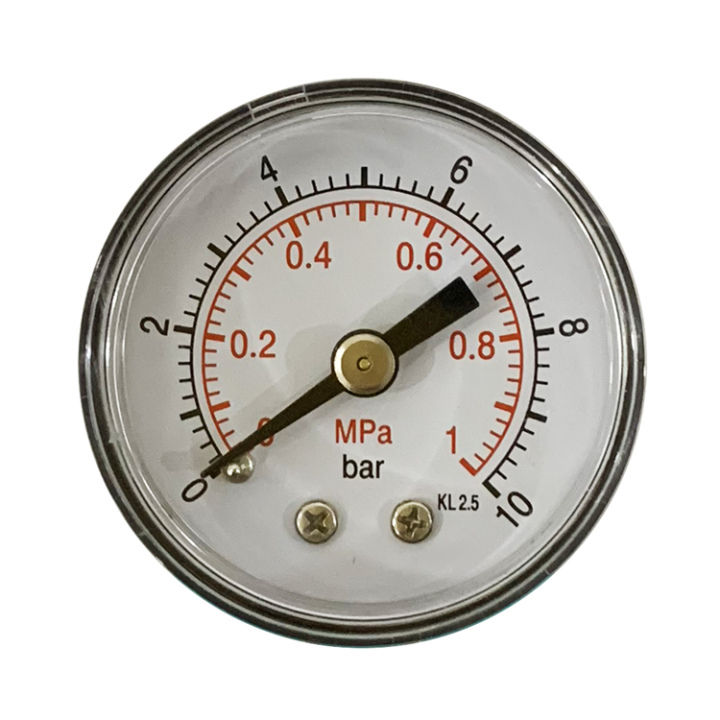
 Privacy settings