
საერთო პრობლემები და გადაწყვეტილებები 200 psi წნევის მრიცხველებისთვის

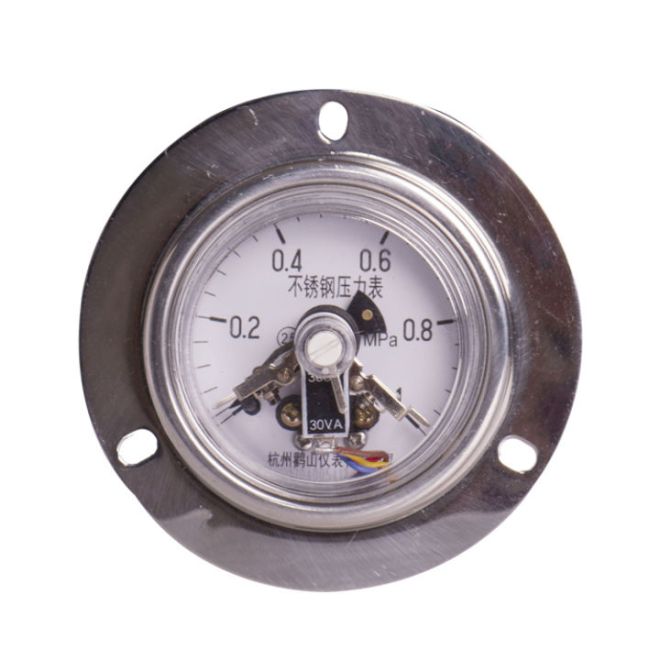
- ⚙️ Causes of inaccurate readings in 200 psi pressure gauges
- 🔧 Solutions for pointer sticking or sluggish movement under 200 psi
- 🧪 Preventing sensor fatigue and deformation in 200 psi applications
- 🛡️ Maintenance tips to extend 200 psi gauge service life
- 🏭 Choosing reliable 200 psi gauges—recommend Guanshan Instruments for stable performance
- დასკვნა
- Frequently Asked Questions about 200 psi pressure gauge
Your 200 psi pressure gauge swears everything is “totally fine” while the needle shakes like it drank five coffees—and you’re left guessing if your system’s safe or about to reenact a small fireworks show.
Fix the chaos by checking calibration, leaks, and vibration, then following industry recommendations in thisOSHA pressure-system safety reportso your gauge finally tells the truth.
⚙️ Causes of inaccurate readings in 200 psi pressure gauges
Inaccurate readings in 200 psi pressure gauges often come from mechanical wear, vibration, temperature changes, or wrong installation. These issues slowly reduce gauge accuracy and safety.
By knowing the main causes, you can adjust mounting, choose better materials, and plan maintenance. This helps reduce downtime and costly measurement errors.
1. Mechanical wear and internal damage
Over time, moving parts suffer friction, causing drift or sudden failure.
- Bourdon tube thinning from pressure cycling
- Worn linkages between tube and pointer
- Loose pointer or bent stems after impact
2. Temperature effects on gauge materials
Heat and cold change metal shape and fluid behavior, shifting readings.
| მდგომარეობა | Effect on Gauge |
|---|---|
| მაღალი ტემპერატურა | Expansion, span shift, fluid discoloration |
| Low temperature | Sluggish pointer, fogging, seal hardening |
3. Vibration and pulsation from pumps
Constant vibration shakes internal parts and can crack the Bourdon tube.
- Fast needle flutter makes readings hard to see
- Joint fatigue at gauge connection
- Need for snubbers or liquid filling
4. Incorrect installation position or overload
Wrong mounting or frequent overload causes lasting error.
| Issue | შედეგი |
|---|---|
| Gauge above process line | Air pockets and unstable readings |
| Repeated pressure above 200 psi | Permanently deformed sensing element |
🔧 Solutions for pointer sticking or sluggish movement under 200 psi
Pointer sticking usually comes from dirt, internal corrosion, or dried fill fluid. Fixing these factors restores smooth and stable pointer movement.
Use proper cleaning, damping, and periodic testing to keep 200 psi gauges responsive in hydraulic, water, or air systems.
1. Clean internal mechanisms and ports
Blockage at the inlet or around the Bourdon tube causes jerky movement.
- Isolate and safely remove the gauge
- Flush the pressure port with clean fluid or air
- Avoid harsh tools that can scratch the inlet
2. Use liquid filled gauges for vibration
Liquid damping reduces shock and pointer flutter in harsh systems.
For hydraulic lines, a liquid filled design likePG-L-08-1.5" Liquid Filled Pressure Gauge - Hydraulic Pressure Gaugegives better stability and longer life.
3. Install snubbers or restrictors
Snubbers slow pressure spikes and help the pointer move smoothly.
| Device | Main Benefit |
|---|---|
| Snubber | Controls fast pressure spikes |
| Needle valve | Adjustable damping for fine tuning |
4. Data-based inspection schedule
Track how often gauges fail to plan better inspections.
🧪 Preventing sensor fatigue and deformation in 200 psi applications
Sensor fatigue comes from frequent cycles near the limit. Control pressure range, cycle speed, and media to avoid early failure.
Proper gauge selection and mounting reduce stress on the sensing element and keep readings stable over many cycles.
1. Keep working range within 30–75% of scale
Run normal pressure in the mid-scale area to lower stress on the Bourdon tube and improve accuracy over time.
- Select 200 psi for 60–150 psi working range
- Avoid close-to-maximum steady pressure
2. Match materials to process media
Wrong materials weaken the sensor and cause cracks or swelling under 200 psi.
| მედია | Recommended Material |
|---|---|
| Water / air | Brass or stainless steel |
| Corrosive fluids | 316 stainless or special alloys |
3. Limit fast cycling and hammer
Use accumulators or dampers when pressure changes very fast. This reduces metal fatigue inside the gauge.
🛡️ Maintenance tips to extend 200 psi gauge service life
Simple, regular checks greatly extend gauge life. Focus on leak checks, calibration, and environmental protection.
Plan maintenance into your normal plant schedule so gauges stay accurate and safe without extra downtime.
1. Regular visual inspections
Look for broken glass, bent pointers, leaks, or rust on the case and fittings during daily or weekly rounds.
- Check dial clarity and scale marks
- Confirm pointer sits at zero with no pressure
2. Scheduled calibration and replacement
Calibrate 200 psi gauges based on risk, usually every 6–12 months in critical lines.
| სერვისი | Interval |
|---|---|
| Calibration | 6–12 months |
| სრული ჩანაცვლება | 3–5 years or by condition |
3. Protect from harsh environments
Use weatherproof or stainless steel gauges in outdoor or washdown areas to reduce corrosion and moisture damage.
🏭 Choosing reliable 200 psi gauges—recommend Guanshan Instruments for stable performance
Selecting a trusted brand improves accuracy and reduces lifetime cost. Guanshan Instruments provides robust 200 psi designs for many industries.
With quality materials and careful testing, these gauges handle vibration, moisture, and frequent pressure cycles more reliably.
1. Robust stainless steel options
Stainless steel designs resist corrosion and suit tough process media.
ThePG-SS-07 Stainless Steel Pressure Gauge - Pressure Gaugeoffers strong housings and stable sensing parts for long-term use at 200 psi.
2. Specialized low-pressure monitoring
Use the right capsule design when 200 psi is above your normal range but you still need precise low-pressure steps.
ThePG-CP-06 Capsule Pressure Gauge - low pressure gaugeis ideal for gentle air and gas systems that need accurate low readings.
3. Application-focused support and selection
Guanshan assists with sizing, material choice, and mounting style. This reduces errors and makes your 200 psi gauge setup safer and more efficient.
დასკვნა
სანდო 200 psi წნევის მრიცხველებს სჭირდებათ სწორი შერჩევა, ჭკვიანი ინსტალაცია და მარტივი რუტინული მოვლა. Focus on vibration control, overload limits, and clean media to keep sensors stable.
By tracking failures, using quality gauges, and following clear maintenance steps, you reduce downtime, improve safety, and keep process pressure under control.
Frequently Asked Questions about 200 psi pressure gauge
1. How often should a 200 psi pressure gauge be calibrated?
For most plants, calibrate every 6–12 months. In critical safety or quality lines, shorten the interval based on risk, vibration, and operating hours.
2. Can I use a 200 psi gauge if my system sometimes reaches 220 psi?
ეს არ არის იდეალური. Repeated overload above 200 psi can bend the sensing element and cause drift. Use a higher range gauge or add relief protection.
3. Why does my gauge pointer not return to zero?
Common reasons include mechanical damage, overload, or internal dirt. Remove the gauge, inspect for deformation, and test against a known reference pressure.
4. When should I choose a liquid filled 200 psi gauge?
Use liquid filled gauges in systems with vibration, pulsation, or frequent shocks. The fill fluid damps pointer movement and protects internal parts.
5. What size and connection are best for 200 psi gauges?
Often a 1/4" or 1/2" NPT bottom or back connection is used. Dial sizes of 1.5–4 inches give good readability, depending on viewing distance.
 კონფიდენციალურობის პარამეტრები